

How to make Chili’s White Cheddar Mac and Cheese Recipe

There is a specific kind of joy that hits the moment a server sets down a bubbling dish of Chili’s white cheddar mac and cheese in front of you. The golden breadcrumb crust. The steam curling up. The way the sauce pulls and stretches when you dig in. I have been chasing that exact feeling in my own kitchen for years, and after dozens of test batches, I can finally say this copycat version does it full justice.
Whether you have been craving white cheddar mac and cheese Chili’s style after a recent visit, or you just want to bring that restaurant comfort food magic to your own table, this recipe covers every detail. The sauce, the pasta shape, the crunch on top nothing is left to chance.
What Is Chili’s White Cheddar Mac and Cheese?
Chili’s mac and cheese is not your average boxed macaroni. It is a proper, made-from-scratch baked pasta dish built around a rich multi-cheese sauce, served in a personal-sized cast iron skillet, and finished with a layer of toasted panko breadcrumbs. The combination of white cheddar, pepper jack, and cream cheese creates a sauce that is simultaneously tangy, creamy, and just barely spicy.
It sits on the Chili’s menu as both a standalone entrée and a side dish, and it has built a loyal following because it tastes indulgent without feeling heavy or one-dimensional. This is a mac and cheese that actually has layers of flavor.
If you have ever wondered what makes chilis white cheddar mac and cheese so special, the answer lies in that scratch-made multi-cheese sauce and the cast iron presentation that sets it apart from anything boxed.
What Makes Chili’s Version So Addictive
The Multi-Cheese Sauce Strategy
The reason Chili’s mac and cheese recipe tastes so much richer than most homemade versions comes down to the cheese blend. Sharp white cheddar gives the sauce its signature bite and deep flavor. Pepper jack adds a subtle warmth that sneaks up on you. Cream cheese provides the silky body that holds everything together without breaking. Parmesan brings a nutty, salty sharpness that rounds the whole thing out.
The real genius of the chilis mac and cheese white cheddar blend is that no single cheese dominates; instead they work together to create a sauce that is tangy, creamy, and gently spicy all at once.
Using four cheeses sounds like a lot, but each one has a specific job. Remove any one of them and the sauce loses something essential. I have tested this more times than I care to admit.
The Creamy-Crunchy Contrast
The textural contrast is the second reason this dish is so craveable. The sauce is soft and silky, the pasta is tender but still has some chew, and the breadcrumb topping is genuinely crispy. That contrast between creamy and crunchy in every bite is what keeps you going back for more.
The Hint of Heat from Pepper Jack
The pepper jack cheese is a quiet detail that most people overlook, but it makes a real difference. It does not make the dish spicy exactly, it just gives the sauce a warmth that keeps it from tasting flat or too mild. It is the difference between mac and cheese that is pleasant and mac and cheese that is memorable.
Chili’s White Cheddar Mac and Cheese vs Regular Mac and Cheese
White Cheddar vs Yellow Cheddar
White cheddar and yellow cheddar are the same cheese at the base level, the color difference comes from the addition of annatto dye. But sharp white cheddar tends to have a more pronounced, tangy flavor than many mass-produced yellow cheddars, which makes it a better fit for a sauce where the cheese is the star ingredient.
This is exactly why the white cheddar mac and cheese chilis fans love so much relies on sharp white cheddar rather than the milder yellow variety found in most homemade recipes.
Restaurant Style vs Homestyle
Restaurant-style mac and cheese like the Chili’s white cheddar mac and cheese recipe differs from the homestyle version in its emphasis on a smooth, pourable sauce rather than a thick, dense casserole. The sauce is built separately and then combined with the pasta rather than layered with dry ingredients and baked from scratch. This keeps it creamy rather than dry or clumped.
What Makes It “Loaded”
Chili’s offers a loaded version of their mac and cheese topped with bacon, jalapeños, and additional cheese. The loaded white cheddar mac and cheese chilis serves takes the classic dish and piles on smoky bacon and sliced jalapeños for an even richer, more indulgent experience. The base recipe here recreates the classic version, but the variations section below covers how to build out your own loaded version at home.
The Cheese Blend: The Heart of This Recipe
Sharp White Cheddar: The Star
Buy a block of sharp white cheddar and shred it yourself right before you make the sauce. The flavor of freshly shredded cheese is noticeably brighter and more complex than anything that comes pre-shredded in a bag. This is not a preference, it is a meaningful difference in the final dish.
Cream Cheese for Silky Texture
Cream cheese is the ingredient that makes the sauce feel luxurious rather than just heavy. It melts into the sauce and acts as an emulsifier, keeping the fat and proteins stable so the sauce stays smooth and glossy instead of breaking into greasy pools. Soften it at room temperature before you start cooking so it melts easily.
Pepper Jack for Subtle Heat
Pepper jack is more commonly found in deli sandwiches, but in a mac and cheese sauce it dissolves completely and leaves behind just a gentle warmth. If you are cooking for someone with a very low heat tolerance, you can reduce the amount slightly, but do not skip it entirely.
Parmesan for Depth and Sharpness
A half cup of freshly grated Parmesan folded into the finished sauce adds an almost savory, aged quality that balances the richness of the cream and butter. Pre-grated Parmesan from a shaker canister will not give you the same result. Buy a wedge and grate it fresh.
Why You Must Shred Your Own Cheese
Pre-shredded cheese is coated with anti-caking agents like cellulose or potato starch. These coatings prevent the cheese from clumping in the bag, which sounds convenient, but they also prevent the cheese from melting cleanly into a sauce. The result is a grainy, slightly oily sauce instead of a smooth one. Shredding your own cheese takes five extra minutes and makes the single biggest difference in how the final sauce turns out.
Choosing the Right Pasta
Cavatappi Chili’s Signature Choice
Cavatappi is a spiral tube pasta with ridges along the outside. It is the pasta Chili’s uses, and for good reason. The hollow center fills with sauce, the ridges grip the sauce on the outside, and the spiral shape means every bite delivers maximum cheesy coverage. If you can find it at your grocery store, use it.
Elbow Macaroni as the Classic Alternative
If cavatappi is not available, elbow macaroni is the obvious backup. It is smaller and will not hold quite as much sauce in each bite, but it still works beautifully and is easier to find. Shells and penne are also solid substitutions if that is what you have on hand.
Why Al Dente Matters Here
Cook your pasta one minute less than the package directions call for. The pasta goes into the oven under the broiler after being combined with the hot sauce, and it will continue to cook during that time. If you cook it to fully done before it goes in, it will be overcooked and mushy by the time it comes out. Slightly underdone pasta going into the oven is the correct move here.
The Secret to a Smooth, Lump-Free Cheese Sauce
Starting with a Proper Roux
The base of this sauce is a classic butter and flour roux. Cooking the butter and flour together for two full minutes before adding any liquid is important because it cooks out the raw flour taste. The mixture should smell slightly nutty.
If it smells like raw dough, keep cooking. If it starts to brown, your heat is too high. Mastering this roux is the foundation of any great chilis white cheddar mac and cheese recipe, because a smooth base is what keeps the finished sauce silky rather than grainy.
Adding Cheese Off the Heat
Once you have built your white sauce and it is thick and smooth, take the pan off the heat before you add your shredded cheese. This is one of the most important steps in the whole recipe. High heat makes cheese proteins seize and the fat separates from the solids, which is what causes a greasy, broken sauce. Off the heat, the cheese melts gently into the sauce and stays emulsified.
Avoiding a Grainy or Oily Sauce
If your sauce turns grainy, it is almost always caused by one of two things: pre-shredded cheese or adding cheese over heat that is too high. If your sauce looks oily, the same causes apply. Starting fresh is the best fix, though a tablespoon of cream cheese whisked in can sometimes rescue a mildly broken sauce.
Getting the Right Sauce Consistency
The sauce should be thick enough to coat the back of a spoon but still pourable. It will thicken further when the pasta is added, and more when it goes under the broiler. If it feels too thick before you add the pasta, whisk in a splash of warm milk to loosen it.
The Breadcrumb Topping Chili’s Signature Crunch
Panko vs Regular Breadcrumbs
Panko breadcrumbs are the only choice here. Regular breadcrumbs become soft and sandy under the broiler. Panko breadcrumbs are larger, drier, and crispier, and they toast to a genuinely crunchy golden crust rather than just a browned layer. This is one of those small swaps that changes the whole character of the dish.
Toasting for Extra Crispness
Tossing the panko in melted butter before it goes on top ensures it toasts evenly and turns genuinely golden rather than just warm. The smoked paprika mixed into the topping adds color and a faint smoky quality that mirrors what Chili’s uses on their version.
Broiling vs Baking the Topping
Use the broiler, not a standard bake. The broiler hits the topping with intense direct heat from above and crisps the breadcrumbs in three to five minutes without drying out the sauce underneath. A standard bake would take much longer and risks drying the whole dish out before the topping reaches the right level of crunch. Watch the broiler constantly panko can go from golden to burnt in under sixty seconds.
How to Assemble Chili’s Mac and Cheese
Combining Pasta with the Cheese Sauce
Once the cheese sauce is finished and seasoned, add the drained pasta directly into the saucepan and fold gently until every piece is coated. Do not rinse the pasta after draining. The starch on the surface of the pasta helps the sauce cling to it.
The Two-Cheese Method
A thin layer of extra shredded white cheddar mixed into the breadcrumb topping melts down into the crust as it broils and creates a slightly different texture at the surface than the sauce below. This two-cheese layering is what gives the dish that restaurant-style finish.
Getting the Perfect Bake
Transfer the sauced pasta to a greased baking dish, apply the breadcrumb topping in an even layer, and place it under a preheated broiler on the top rack. Leave the oven door slightly ajar so you can watch it, and pull it out the moment the topping is deep golden. Let it rest for five minutes before serving the sauce will settle and thicken slightly, and the topping will stay crispier.
Expert Tips for the Best Copycat Result
Making this Chili’s white cheddar mac and cheese recipe successfully comes down to respecting a handful of technique rules that are easy to overlook. Always use freshly shredded cheese. Always add the cheese off the heat. Always undercook the pasta slightly before combining it with the sauce. Use panko, not regular breadcrumbs. And do not walk away from the broiler.
The dry mustard powder in the seasoning is a detail borrowed from classic American mac and cheese tradition. It does not make the dish taste like mustard. What it does is activate and amplify the sharpness of the cheddar, making the cheese flavor taste more intense and complex. It is a secret ingredient in the truest sense.
Common Mistakes to Avoid
Using Pre-Shredded Bagged Cheese
This has been said already, but it is worth repeating because it is the single most common reason a homemade cheese sauce fails. The anti-caking coatings on pre-shredded cheese do not melt. They create a grainy sauce. Shred your own.
Overcooking the Pasta Before Baking
Fully cooked pasta going into the oven comes out overcooked. Cook it one minute short and let the oven finish the job.
Skipping the Cream Cheese
Cream cheese is not optional. It is the structural element that keeps the sauce smooth and emulsified through the heat of the broiler. Without it, the sauce is more likely to break and separate.
Burning the Breadcrumb Topping
Set a timer for three minutes and check the topping the moment it goes off. Panko browns fast under direct broiler heat. One minute of inattention can mean the difference between golden and burnt.
Popular Variations
Spicy Jalapeño White Cheddar Mac
Add two tablespoons of diced pickled jalapeños to the cheese sauce along with a teaspoon of jalapeño brine for an extra layer of heat and tang. Top with additional sliced fresh jalapeños before broiling. This spicy twist captures the bold flavor of chilis loaded white cheddar mac and cheese, giving you that signature kick of heat in every cheesy bite.
Bacon and White Cheddar Mac
Fold in half a cup of crispy cooked bacon crumbles when you combine the pasta and sauce. Sprinkle additional bacon on top of the breadcrumb layer before broiling.
This is the closest recreation of the loaded version from the Chili’s menu. If you want to fully recreate the chili’s loaded white cheddar mac and cheese at home, this bacon-packed variation is the one to make for game day or a hungry crowd.
Truffle White Cheddar Mac (Gourmet Style)
Replace the smoked paprika in the topping with a half teaspoon of truffle salt, and drizzle a teaspoon of white truffle oil over the finished dish right before serving. This version works beautifully as a dinner party side dish.
Stovetop-Only Version (No Baking)
Skip the baking dish and the broiler entirely. After combining the pasta and sauce, transfer to a serving bowl and top with panko breadcrumbs toasted separately in a dry skillet with butter and smoked paprika until golden. This is faster and works well when you want the same flavors without the extra step.
Gluten-Free White Cheddar Mac
Swap the all-purpose flour for a one-to-one gluten-free baking flour, use your favorite gluten-free pasta, and replace the panko with gluten-free panko breadcrumbs or crushed rice crackers. The method stays exactly the same.
Serving Suggestions
Best Chili’s-Style Side Dishes to Pair
This mac and cheese pairs naturally with grilled chicken, smoked ribs, or a simple green salad dressed with a light vinaigrette. If you are going full Chili’s at home, serve it alongside their classic honey chipotle chicken crispers or a simple grilled steak. For a heartier spread, a loaded white cheddar mac and cheese chili’s style version topped with bacon and jalapeños makes a satisfying centerpiece that needs little else on the table.
As a Main vs As a Side
Served with a salad, this feeds four as a generous main course. As a side dish alongside a protein, it comfortably serves six. The portion in this recipe is designed to match the Chili’s individual skillet size scaled up for a full household.
Storage and Reheating Instructions
Storing Leftover Mac and Cheese
Transfer leftovers to an airtight container and refrigerate for up to four days. The sauce will thicken considerably when cold, which is normal.
Reheating Without Drying Out
To reheat, add a tablespoon or two of whole milk per serving, cover tightly with foil, and warm in a 160°C (325°F) oven for fifteen to twenty minutes, stirring once halfway through. The milk loosens the sauce back to its original consistency without making it watery. Avoid microwaving if possible it heats unevenly and can make the pasta tough.
Can You Freeze It?
Freezing is not recommended for this recipe. Cream-based sauces have a tendency to separate and become grainy when thawed, and the texture of the pasta also suffers significantly. This is a dish best eaten fresh or within a few days of making.
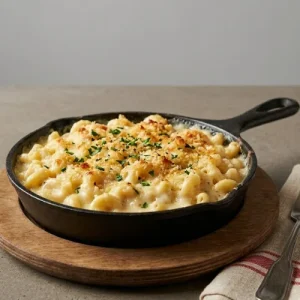
Chilis White Cheddar Mac and Cheese Recipe

Equipment
- Large pot for boiling pasta
- Medium saucepan
- Whisk
- Wooden spoon
- baking dish or oven-safe skillet
- Box grater
- colander
Ingredients
- 400 g 14 oz cavatappi pasta or elbow macaroni
- 1 tbsp salt for pasta water
- 3 tbsp unsalted butter
- 3 tbsp all-purpose flour
- 2 cups whole milk
- 1 cup heavy cream
- 200 g 2 cups sharp white cheddar cheese, freshly shredded
- 100 g 1 cup pepper jack cheese, freshly shredded
- 115 g 4 oz cream cheese, softened and cubed
- 50 g ½ cup Parmesan cheese, freshly grated
- 1 tsp garlic powder
- ½ tsp onion powder
- ½ tsp dry mustard powder
- ½ tsp white pepper
- Salt to taste
- 1 tsp hot sauce optional
- ½ cup panko breadcrumbs
- 2 tbsp unsalted butter melted
- ¼ cup sharp white cheddar shredded
- ½ tsp smoked paprika
- Pinch of salt
Instructions
- Bring a large pot of heavily salted water to a full boil. Add the cavatappi and cook for one minute less than the package directions. Drain well without rinsing and set aside.
- In a medium saucepan over medium heat, melt the butter until it bubbles. Whisk in the flour and cook for two full minutes, stirring constantly, until the mixture smells nutty but has not browned.
- Gradually pour in the whole milk a little at a time, whisking constantly after each addition to prevent lumps. Add the heavy cream and whisk until fully smooth.
- Cook over medium heat, stirring frequently, until the sauce thickens enough to coat the back of a spoon, about five minutes. Reduce the heat to low.
- Add the softened cream cheese cubes and stir until fully melted and incorporated.
- Remove the pan from the heat. Add the shredded white cheddar and pepper jack in small handfuls, stirring between each addition until fully melted before adding more.
- Stir in the Parmesan. Season with garlic powder, onion powder, dry mustard, white pepper, salt, and hot sauce if using. Taste and adjust seasoning.
- Add the drained pasta to the cheese sauce and fold gently until every piece is evenly coated. Transfer to a greased baking dish.
- In a small bowl, combine the panko breadcrumbs, melted butter, shredded white cheddar, smoked paprika, and a pinch of salt. Toss until the breadcrumbs are evenly coated and spread over the top of the pasta.
- Preheat the broiler to high. Place the baking dish on the top rack and broil for three to five minutes, watching constantly, until the topping is deep golden and crispy. Remove from the oven and rest for five minutes before serving.
Notes
More Copycat Restaurant Recipes to Try
- Cheesecake Factory Asian Chicken Nachos
- Danni Rose Mac and Cheese
- Hawaiian Bros Kilauea Chicken
- North Italia Braised Short Rib Lumache
- Homemade Dinty Moore Beef Stew
- Cava Fiery Broccoli

This tasted exactly like Chili’s super creamy, cheesy, and that crispy topping made it even better. Easily one of the best homemade mac & cheese recipes I’ve tried!
Absolutely delicious and easy to follow! The mac & cheese turned out creamy, cheesy, and restaurant-quality.
This recipe was a huge hit at home! Rich, creamy, and packed with flavor better than many restaurant versions.
Perfect copycat recipe! The flavors were spot on, and the crispy topping made it even more irresistible.
One of the best mac & cheese recipes I’ve tried! Creamy, flavorful, and incredibly satisfying from the first bite.
Absolutely delicious! The buttered panko crust pairs perfectly with the rich four-cheese sauce, making it taste just like eating at Chili’s.
This recipe nailed the flavor completely! The combination of sharp white cheddar and smooth cream cheese makes the most addictive, velvety sauce ever.
Incredibly rich and creamy! The blend of white cheddar and cream cheese creates the most luxurious sauce, and it’s way better than any boxed version.
Spot on! The pepper jack adds the perfect subtle warmth, and cooking the pasta al dente kept it from getting mushy under the broiler. Will definitely make this again!
This copycat recipe is a total game-changer! Shredding the cheese fresh made the sauce so smooth, and that panko crust gives it the perfect restaurant-style finish.